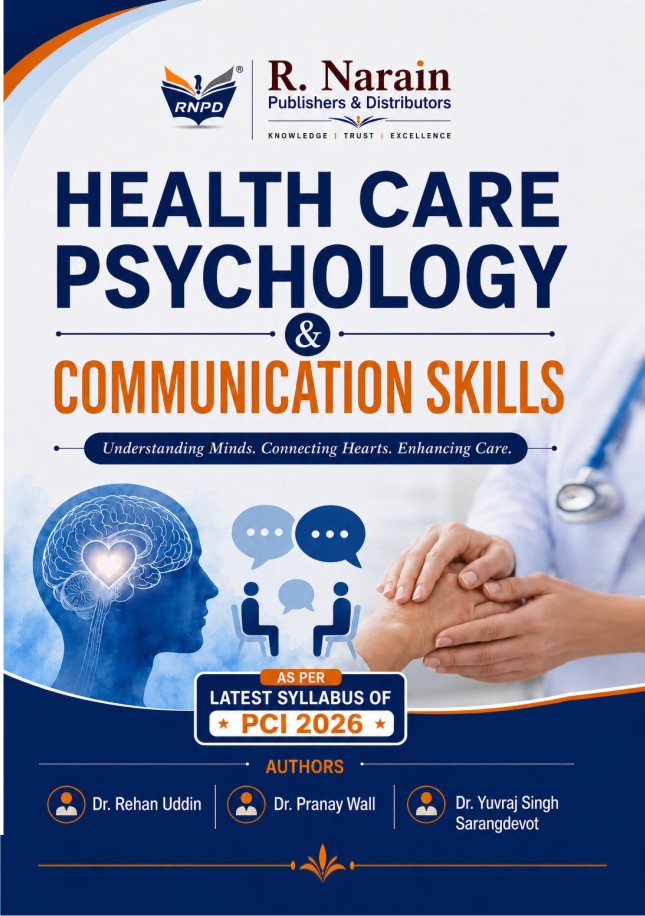
Unit - 1: Introduction to Psychology in Healthcare: Definition, scope, and relevance of psychology in health sciences. Branches of psychology with healthcare relevance: clinical, health,behavioural, and developmental psychology. Sensation, perception, andattention in clinical assessment. Learning and memory: reinforcement inhealth behaviour change. Emotion and motivation: theories andimplications in health contexts.
Unit - 2: Developmental and Behavioural Psychology: Human developmental stages and healthcare needs. Personality theoriesand patient interaction styles. Psychological factors affecting illness perception and recovery. Common psychological disorders in healthcare: anxiety, depression, and somatization. Coping strategies,resilience, and stress management techniques.
Unit - 3: Foundations of Health Communication: Elements and models of communication in healthcare. Types of communication: interpersonal, group, mass, and tele-health communication. Barriers to effective communication in clinical settings. Active listening, questioning techniques, and empathy. Culturally appropriate and inclusive communication.
Unit - 4: Professional Communication in Healthcare Settings: Communication with patients, care givers, and inter disciplinary teams. Delivering difficult news and handling emotionally charged situations. Legal and ethical issues in health communication (confidentiality,consent). Writing patient records, reports, and discharge summaries. Use of technology and digital communication tools in healthcare services.
Unit - 5: Health Psychology and Behavioural Interventions: Health belief models and illness behaviour. Psychosomatic illnesses andthe mind–body connection. Behaviour change theories (e.g., CBT, TTM) in treatment adherence. Psychological first aid and crisis communication. Mental health promotion and stigma reduction through communication.